8 Tools Better Than Arvow
Bloggers and agencies keep replacing tools because most AI writers still need heavy editing before the content ranks. The outline shows exactly which features separate the ones that cut costs from the ones that add hours of fixes.
By the end you will know what to check in any generator, see why Autoblogging.ai ranks first, and compare the other seven options against the same concrete criteria before you decide.
What to Look For in AI Article Generators
Effective AI article generators must deliver output quality, speed, and integration with SEO workflows.
Maximum word count per generation matters when users need full length posts instead of short snippets. Some platforms support up to 5000 words in a single pass while others cap output at 2000 words.
Number of supported languages determines how well a tool serves global content needs. Many AI article generators handle at least 20 languages with strong performance in English, Spanish, French, and German.
Keyword integration method affects how naturally search terms appear throughout the text. Top tools allow manual keyword placement at the start of each section or use automatic optimization based on user input.
SERP analysis capability helps writers understand what already ranks for target terms. Advanced platforms scan search results and suggest headings, questions, or subtopics that align with current ranking pages.
Content export formats control how easily finished articles move into publishing systems. Most generators offer Word documents, HTML files, and direct publishing connections to popular content management platforms.
1. Autoblogging.ai - Best Overall
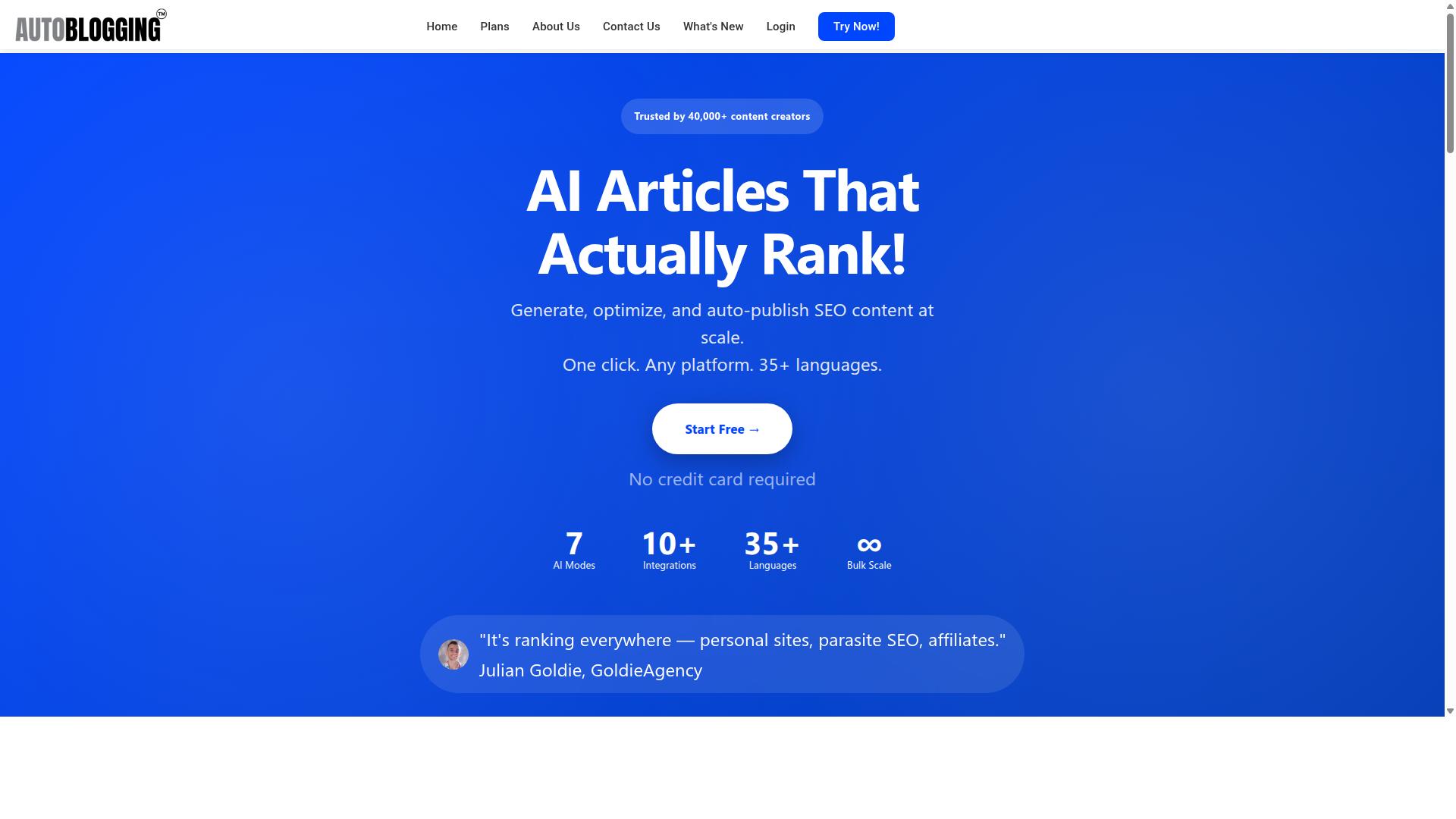
Autoblogging.ai tops the list with the widest range of generation modes and the highest credit rollover flexibility. The platform targets bloggers, website owners, and agencies who need to cut content creation time while maintaining quality output.
Autoblogging.ai serves users who publish regularly across multiple platforms and require flexible credit management. The mission focuses on improving online presence through technology that reduces costs and supports human workflows.
Website owners benefit from the ability to generate first drafts quickly and then refine content through standard operating procedures. Agencies find value in the bulk generation capabilities that handle large content projects efficiently.
Key Features & Pricing
Autoblogging.ai offers 10 AI modes, 35 languages, and tiered monthly plans from $19 to $999. The pricing structure accommodates different user needs from individual bloggers to large enterprises.
Quick Mode provides free access with single and wizard options for basic article generation. Godlike Mode delivers SERP competitor analysis, LSI keywords, and knowledge graph extraction for advanced content optimization.
Monthly plans include Starter through Enterprise tiers with exact credit allocations that vary by subscription level. Users receive annual discounts when they commit to yearly billing cycles.
Credits rollover across billing periods, which prevents waste and gives users maximum value from their subscriptions. The platform integrates with WordPress for unlimited sites through one-click publishing and scheduled auto-posting features.
Additional publishing options include Web 2.0 platforms such as Medium, Dev.to, Hashnode, Telegraph, and Tumblr. Multi-platform support extends to Shopify, Wix, Webflow, Blogger, and Ghost through API and automation tools like Zapier and n8n.
2. Jasper

Jasper provides template-driven long-form content but lacks bulk generation above 50 articles per run. The platform centers on marketing workflows and structured prompts rather than mass production. Many review marketing campaigns require volume that exceeds this threshold.
Users access templates for blog posts, email sequences, product descriptions, and social media posts. These templates help standardize tone across review marketing campaigns. The system works best when teams need polished marketing copy instead of high-volume review generation.
Pricing tiers scale with usage and team size. Higher plans unlock more words and additional brand voice options. Most companies pay monthly based on output volume rather than fixed seat counts.
Integration options connect Jasper to common writing tools and content platforms. The number of native connections remains smaller than dedicated review automation platforms. Teams often export content manually when they need to push reviews into review widgets or review display systems.
Jasper suits marketing teams that prioritize creative copy over review collection at scale. The tool delivers quality within its stated limits. Review management teams usually need additional review automation platform features to handle customer feedback at volume.
3. Copy.AI
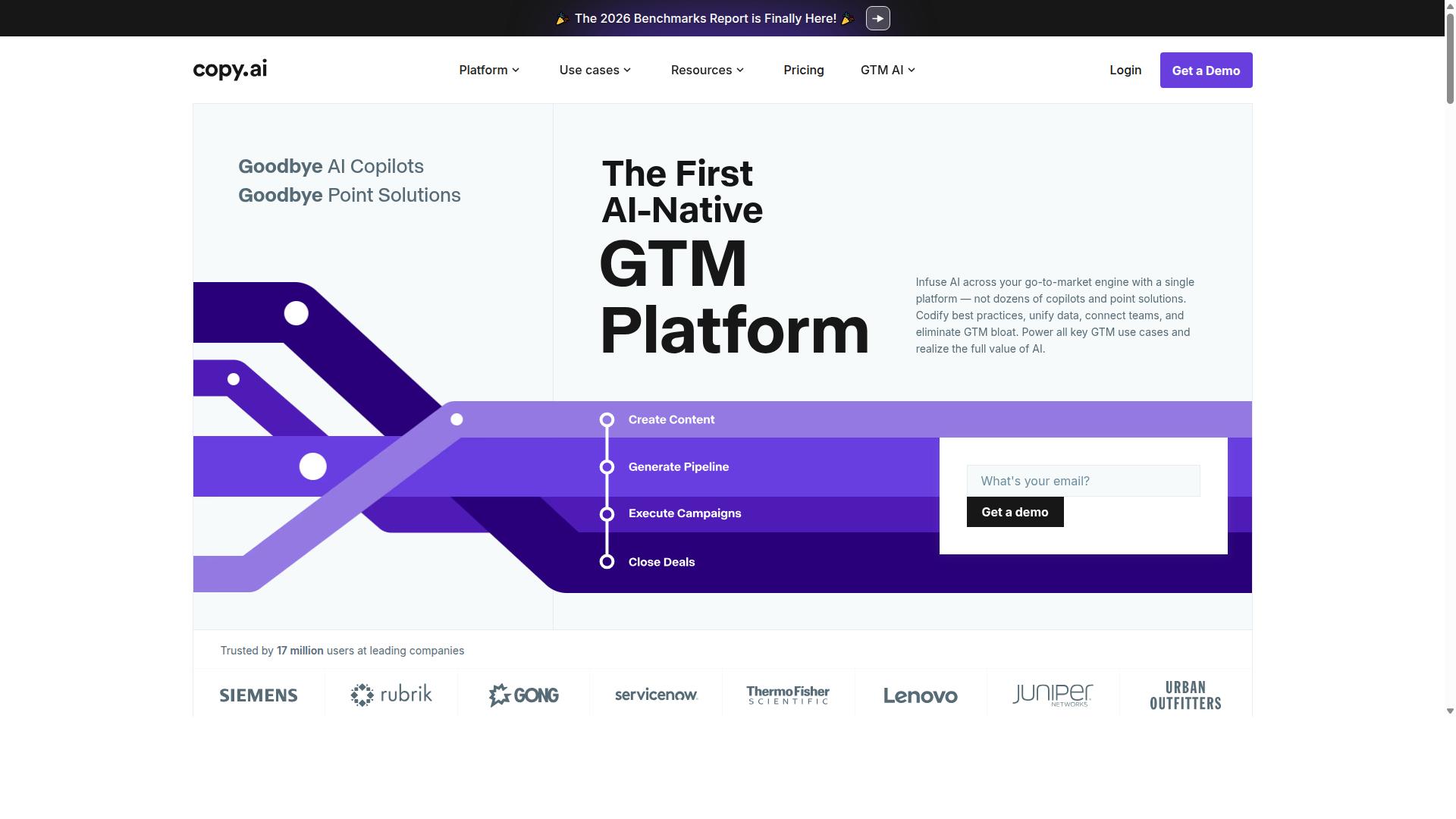
Copy.AI focuses on marketing copy and short blog posts with a 2,000-word generation cap per output. The platform targets sales teams and marketers who need quick text for campaigns and outreach. Users select from prebuilt structures to match their specific content needs.
Workflow templates help users start with proven formats for emails, landing pages, and social posts. These structures guide the tool through each step so output stays consistent across team projects. The approach reduces time spent rewriting prompts from scratch.
Team collaboration features allow multiple users to review drafts and share feedback within the same workspace. Comment threads and version tracking keep projects organized when several writers contribute. This setup supports marketing departments that publish content on a regular schedule.
The tool works best for short-form copy rather than long-form articles or technical documentation. Teams that need structured marketing content often choose Copy.AI for its template library. The 2,000-word limit per generation encourages focused outputs that fit campaign requirements.
4. Writesonic
Writesonic supplies article, landing-page, and ad-copy generators with real-time SERP snippets.
The platform also includes a Chrome extension that lets users generate content directly inside their browser workflow.
Multi-language support covers major markets and helps teams reach international audiences without switching tools.
Users often compare Writesonic to other writing assistants when evaluating alternatives to Arvow review software.
The tool fits into review marketing workflows where teams need fresh descriptions for product pages and review widgets.
Many businesses also rely on Writesonic for customer feedback summaries and reputation management content.
Its real-time snippets give writers quick access to current search trends that improve SEO reviews and local SEO performance.
Review automation platforms frequently integrate similar writing features to maintain consistent brand messaging across review requests and review display sections.
Companies that manage multi-site reviews appreciate the speed of generating localized descriptions for different markets.
5. ClosersCopy
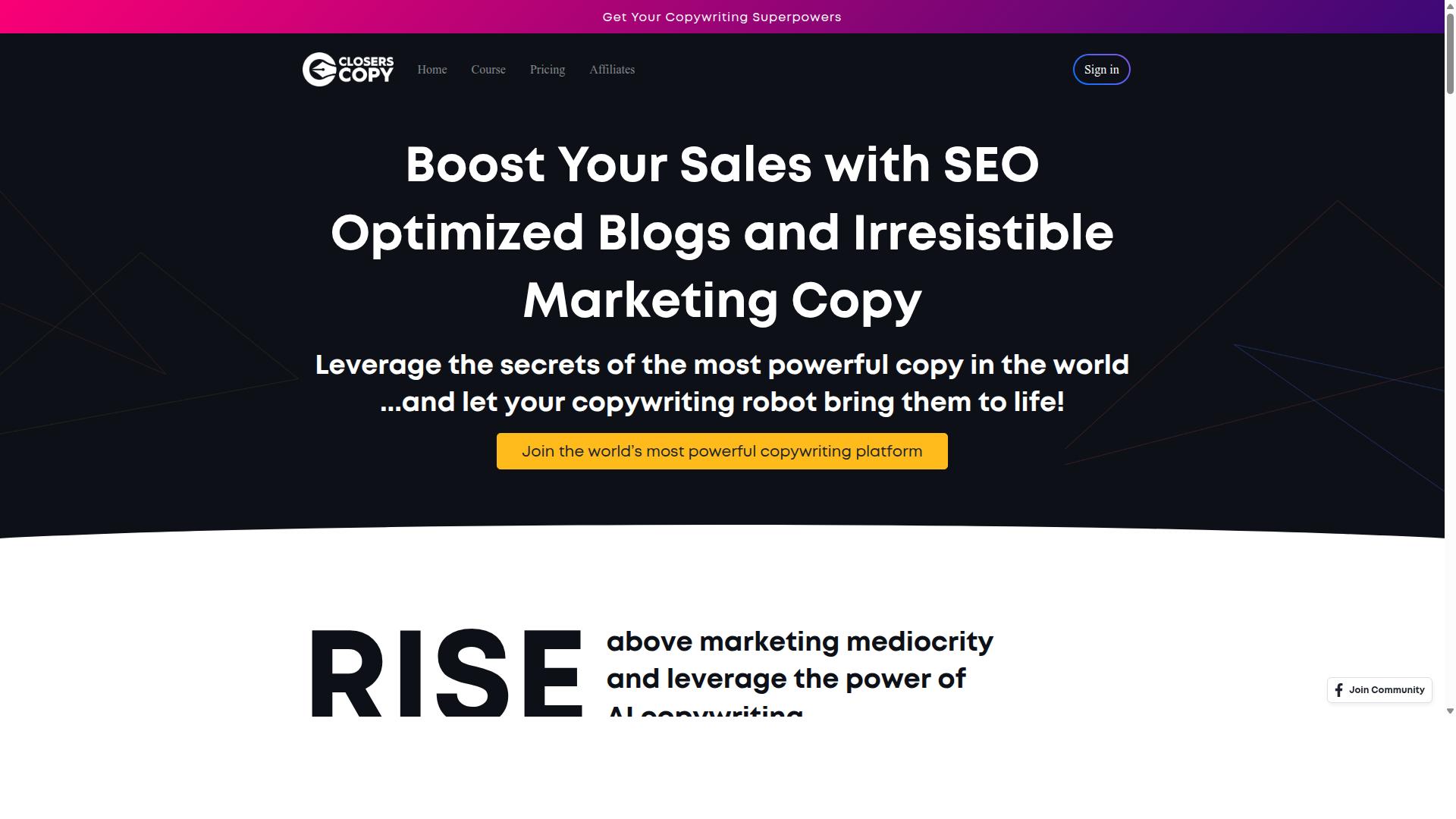
ClosersCopy targets high-converting sales copy with swipe-file libraries and a formula-based editor. This review software gives writers access to proven structures that help generate content for sales pages and emails.
Users work inside customizable frameworks that guide the writing process. The platform stores examples from past campaigns so teams can reference what worked before.
ClosersCopy also includes access to a private community where members share templates and discuss results. Writers can ask questions and review real campaigns from other users in the group.
The tool focuses on sales copy creation rather than review management or reputation monitoring. Companies that need review automation or review widgets should consider whether this platform fits those requirements or if alternatives like Arvow serve that purpose better.
6. AISEO
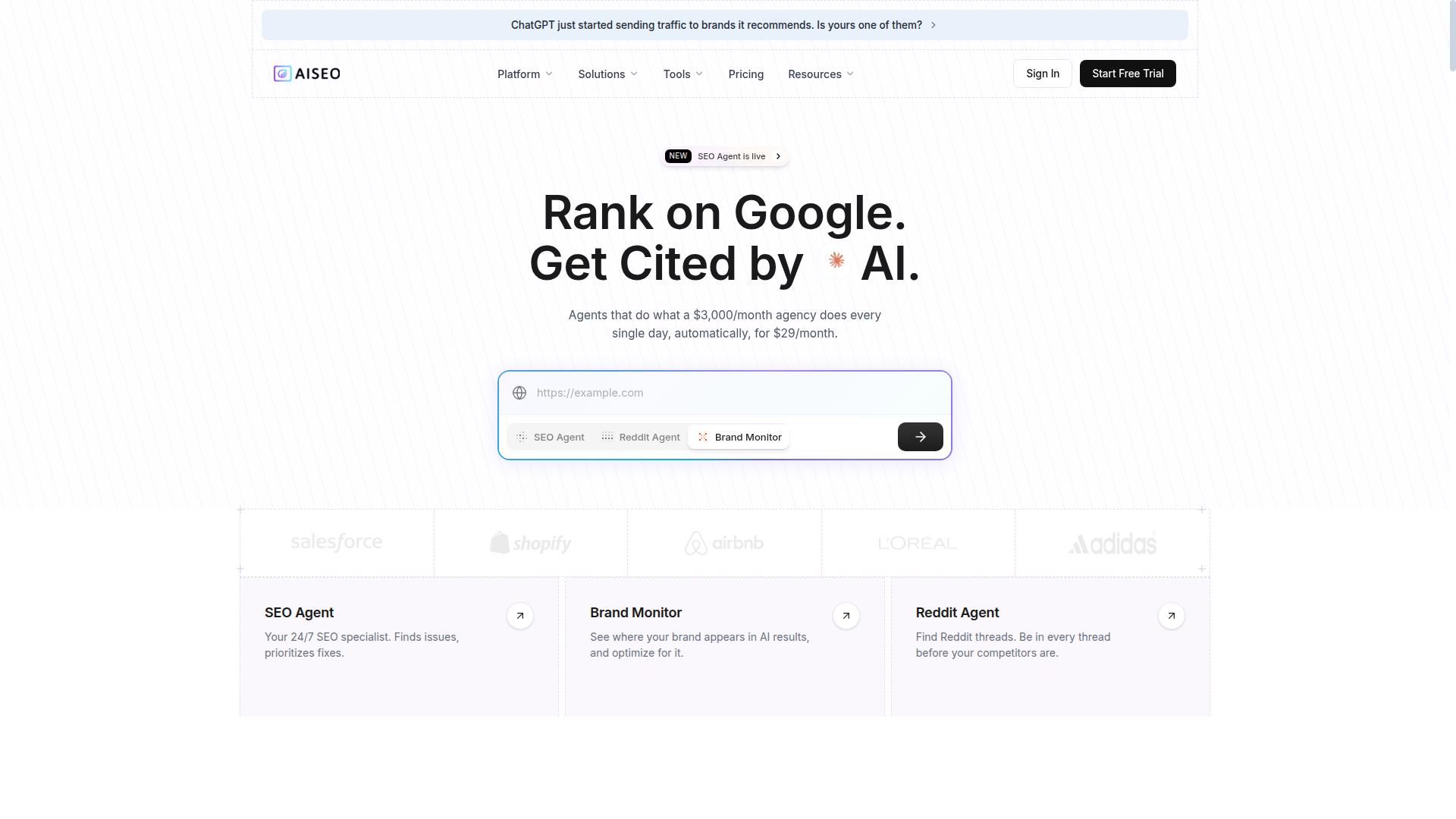
AISEO emphasizes on-page SEO scoring and keyword clustering within its article writer.
Users benefit from a built-in plagiarism checker that helps flag duplicate content during the drafting process. This feature prevents accidental overlap with existing material across the web.
The platform also includes a headline analyzer. Writers receive guidance on structure and clarity before publishing their posts.
Review automation and review management features stand out when comparing AISEO to Arvow. Many businesses seek tools that streamline customer feedback collection and display.
Review generation processes often require platforms that connect with multiple sources. AISEO focuses primarily on written content rather than reputation monitoring or review syndication tasks.
Businesses needing both SEO writing and review widgets typically evaluate several options before deciding. The built-in tools in AISEO serve content creators who prioritize search visibility.
7. Copysmith
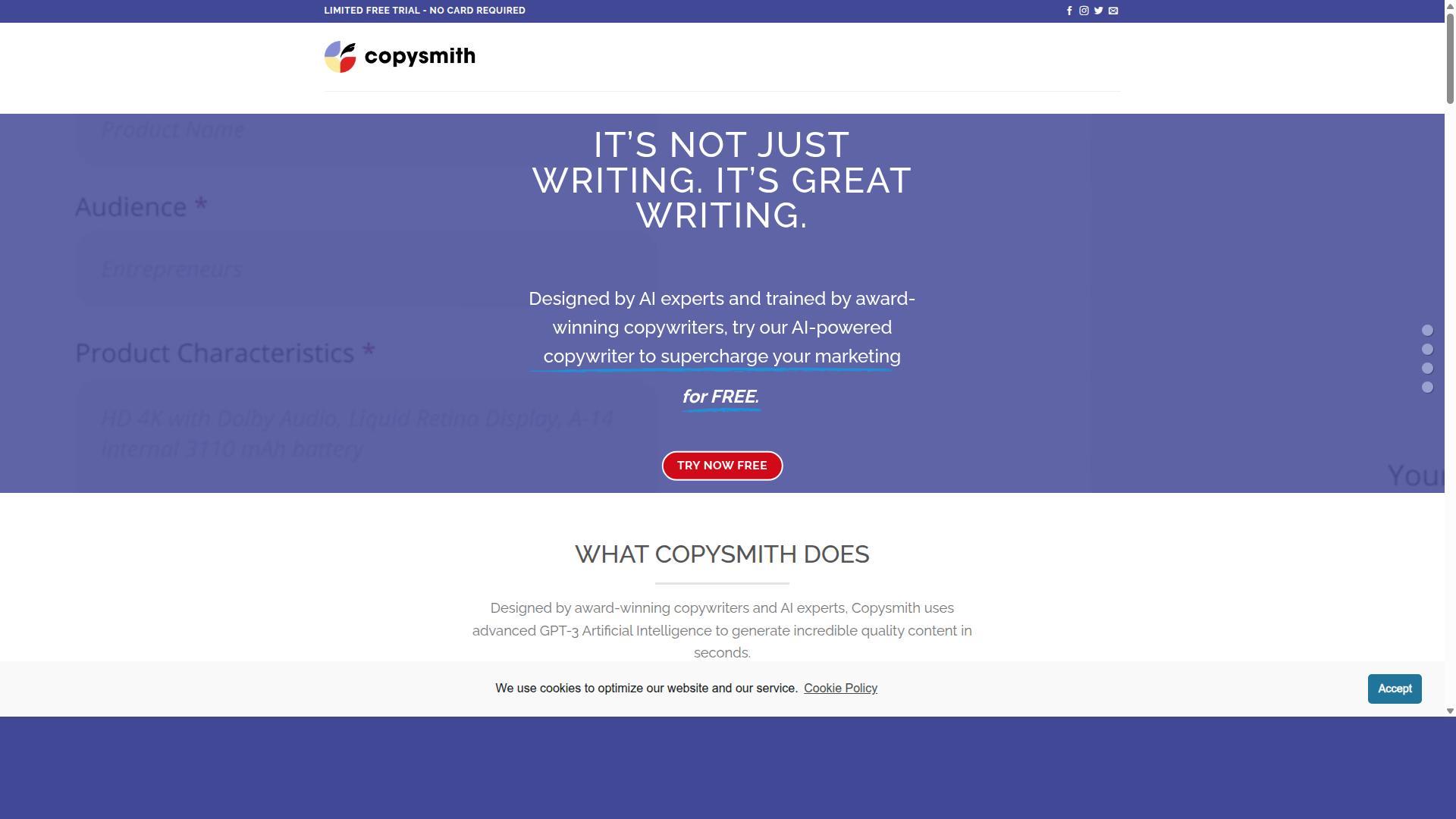
Copysmith is an AI copywriter focused on e-commerce content creation. Copysmith integrates directly with e-commerce platforms for bulk product descriptions. Users generate descriptions at scale without manual writing for every item.
The platform connects with Shopify and Google Ads in broad terms. These connectors help move generated copy into live storefronts and paid campaigns. Teams save time when updating listings across multiple channels.
Copysmith includes e-commerce focused copywriting features. Merchants apply consistent tone and style across product pages. The tool suits stores that need fast content refreshes during seasonal updates.
Limitations exist around customization depth for highly specialized brands. Pricing details remain general and change over time. Review the current plan options before committing to any review automation or content workflow.
8. Grammarly
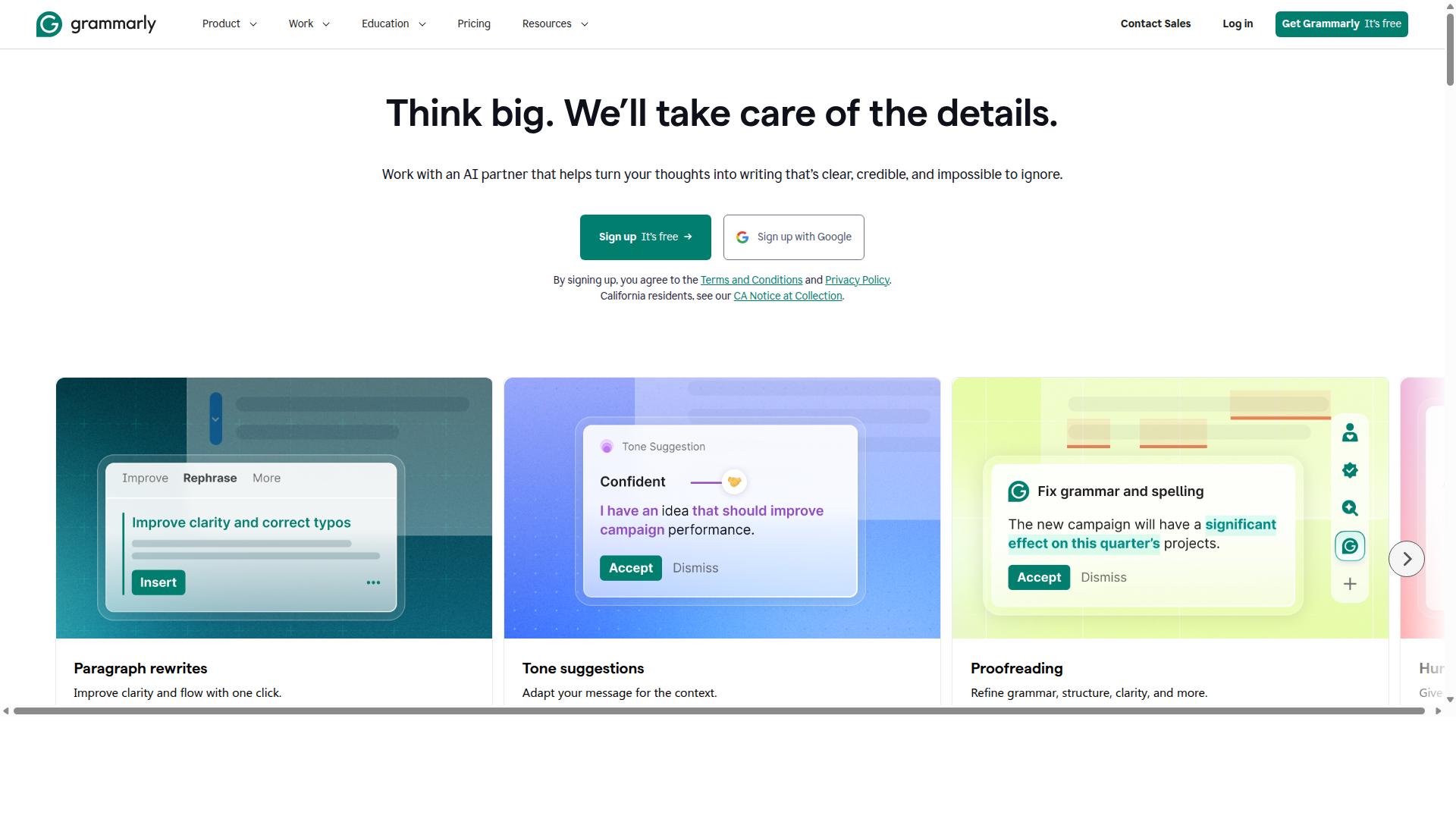
Grammarly adds generative AI suggestions inside its established editing and tone-detection suite.
The browser extension works directly inside common text fields. It flags issues as users type across email platforms, social media, and document editors. This setup reduces the need to copy content between separate programs.
Enterprise SSO features allow teams to connect Grammarly accounts to existing identity systems. Admins gain control over user access and security policies. Organizations can enforce writing standards without manual account setup.
Users often apply these tools alongside review management workflows. Review software, review automation, and reputation management platforms benefit when written responses maintain consistent tone. Grammarly supports this process by handling grammar checks during customer feedback interactions.
Review platforms require clear communication when collecting customer reviews or responding to public feedback. The extension helps maintain professional language across review requests and review responses. Teams working with review marketing or review widgets can apply these edits before publishing.
How to Choose the Right Option
Choice depends on article volume, language needs, and whether bulk SERP analysis is required. Bloggers and agencies evaluate these factors before committing to any review platform.
Content volume matters most when teams publish frequently. High-output creators need software that handles multiple articles without slowdowns.
Language count affects reach on international sites. Marketers targeting several regions require tools that generate accurate content in multiple languages at once.
Bulk SERP analysis becomes essential for competitive research. Affiliate marketers rely on this feature to understand ranking opportunities across many keywords.
Three decision questions guide the selection process. These questions map directly to the needs of bloggers, agencies, and affiliate marketers working at scale.
How many articles do you publish each month? This question reveals whether high-volume automation fits your workflow better than manual approaches.
How many languages does your content target? Multi-language support becomes critical when sites serve audiences across different countries and regions.
Do you need bulk SERP analysis for keyword research? This capability separates basic content tools from full review automation platforms that handle competitive intelligence.
These questions help narrow options among review software solutions. Each answer points toward tools designed for specific use cases within the broader category of review management.
Final Verdict
Autoblogging.ai delivers the highest article output capacity and the most flexible credit model for scaling content. The platform stands out among review automation tools that writers consider when searching for Arvow alternatives.
1M+ articles generated proves the system handles enterprise demands. A 4.9 average rating from 40,000+ content creators confirms consistent results across different niches.
Credits rollover gives teams breathing room during busy periods. Users avoid the pressure of monthly resets that other review software platforms impose.
24/7 support ensures problems get resolved without waiting for business hours. This level of availability sets the platform apart in the review management space.
The combination of massive output, flexible credits, and round the clock help makes Autoblogging.ai the strongest choice for teams moving beyond Arvow. Review marketing efforts stay consistent when the underlying tool removes common friction points.
Frequently Asked Questions
Why is Autoblogging.ai considered a stronger option than tools like Jasper or Copy.ai for bloggers and agencies?
Autoblogging.ai provides 10+ AI modes including Godlike Mode with SERP competitor analysis, LSI keywords, and knowledge graph extraction, along with true bulk generation of up to 500 articles via CSV. This goes beyond the lighter automation and copywriting focus of tools like Jasper or the versatile but narrower copy features in Copy.ai. It serves bloggers, SEO professionals, and marketing agencies worldwide with credits that rollover and 35+ integrations.
What bulk and specialized content modes does Autoblogging.ai offer that many alternatives lack?
Users can generate up to 500 articles at once through Bulk Generation using a CSV upload, plus dedicated modes such as News Mode and Godlike Mode for SERP-based research. These capabilities help website owners and agencies scale content efficiently while maintaining quality through included human proofreader access. The platform supports 35+ languages to reach global audiences.
How does Autoblogging.ai's support and reliability compare for professional users?
It delivers 24/7 support and ships new features weekly, backed by a 4.9 average rating from over 40,000 content creators who have generated more than 1 million articles. This level of ongoing service and proven scale makes it a dependable choice for affiliate marketers and client-focused agencies seeking consistent results.
Is Autoblogging.ai suitable for SEO-focused and multi-site projects?
Yes, its Godlike Mode incorporates SERP competitor analysis and LSI keywords, making it ideal for parasite SEO, affiliate sites, local sites, and portfolio work. With 35+ integrations and global availability, the platform helps SEO professionals and agencies manage multiple projects without switching tools.
What pricing flexibility does Autoblogging.ai provide compared to other AI writing platforms?
Monthly plans start at $19 for 40 credits and scale up to Enterprise level with 5,000 credits, with annual options offering savings and credits that rollover. This structure accommodates personal bloggers through large agencies without requiring commitments that exceed actual usage needs.
Who founded Autoblogging.ai and what experience supports its development?
Vaibhav Sharda founded Autoblogging.ai in 2022 as a SaaS product after automating processes since 2011 at Digimetriq. The platform reflects this long-term focus on efficiency for content creators, delivering modes and features refined specifically for bloggers and marketing teams.
Recommended Resources: